
Featured report
Report on the 2030 carbon footprint targets and renewable energy
A calm overview of sustainable development, environmental protection and the future of agriculture in Spain.
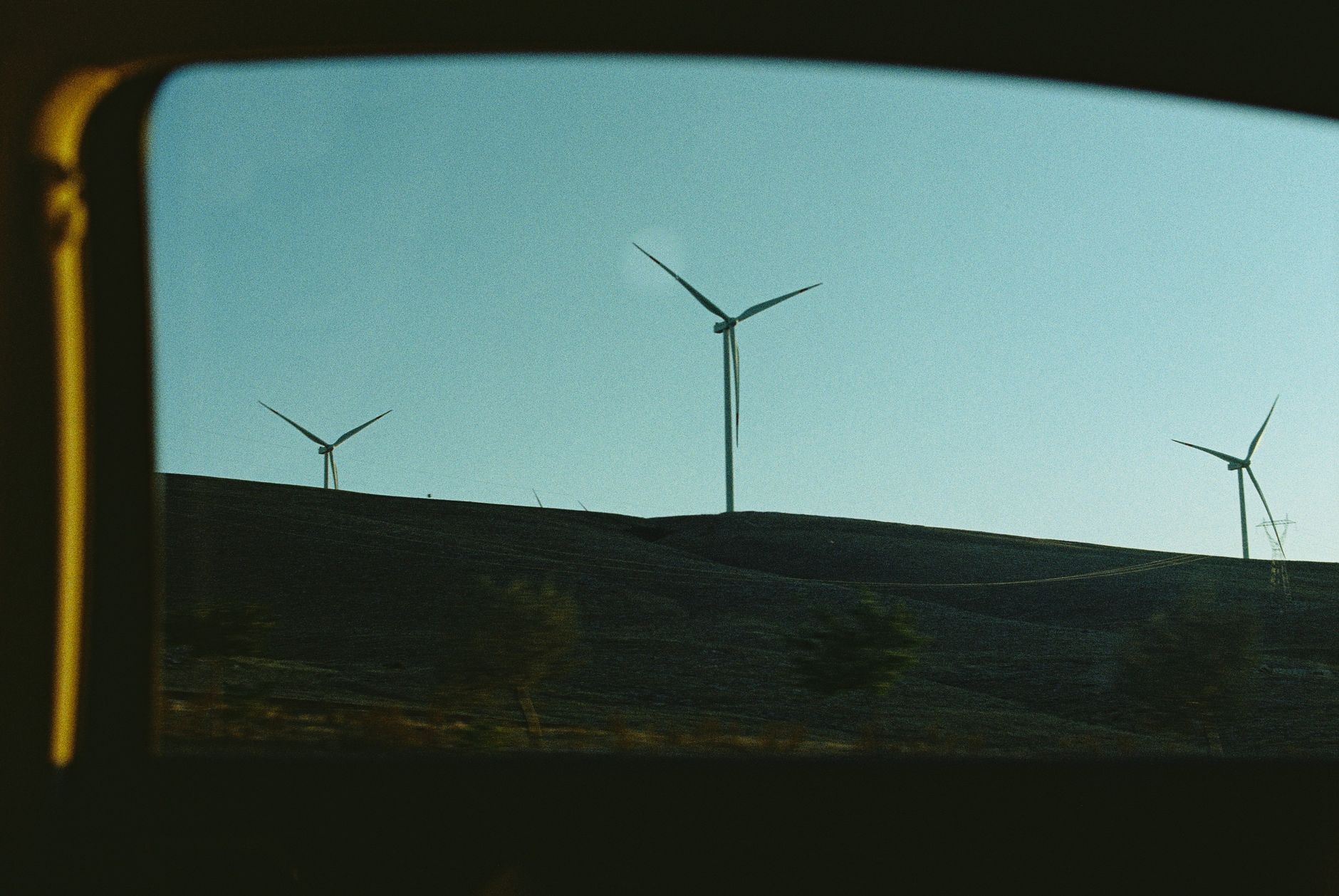
Global warming
The world is changing and natural resources are being depleted at a faster pace each year. The most recent scientific reports confirm that the average planetary temperature continues to rise, modifying the seasonal cycles, altering rainfall patterns and directly affecting Mediterranean ecosystems. Spain, located between two continents and surrounded by two different bodies of water, perceives these transformations especially intensely, with longer summers, longer droughts and more frequent heat waves in inland regions.
Protection of the environment is not an isolated option, it is a collective commitment. Reducing the carbon footprint requires coordination between public administrations, local communities, schools and citizen organisations. Every small daily gesture contributes to the development of a more sustainable model that respects the biodiversity of the territory.

Spain's role in green energy
Spain has a privileged geography for the development of renewable energy. The high number of sunshine hours per year, the wind corridors of the Strait of Gibraltar and the central plateau, as well as a modern infrastructure network, make it possible to move towards an energy model based on sun, wind and local biomass.
The national 2030 carbon footprint target sets out a clear roadmap: expand renewable generation capacity, improve the efficiency of homes and public buildings and foster training in green trades. Spanish energy companies, in cooperation with universities and technology centres, work on research and development projects focused on storage, self-consumption and local energy communities.
Protection of the landscape and rural heritage is an essential part of this transition. Careful planning ensures that the energy transformation coexists with the culture, gastronomy and biological diversity of each autonomous community.

The future of agriculture
Agriculture 5.0 combines traditional knowledge with sensors, satellites and open data models. These tools help family farms optimise the use of water, prevent crop diseases in a preventive way and reduce fertiliser consumption while maintaining the recognised quality of products such as olive oil, citrus fruits or wines with a designation of origin.
The future of Spanish countryside relies on cooperation across generations: young people bring digital skills and the elders transmit knowledge accumulated over centuries. This balance favours rural development, slows down depopulation and strengthens the food sovereignty of the country.
Spain in figures
2,500 h
Average sunshine hours per year in many regions
55%
Target share of renewable electricity for 2026
2030
Key year for the new national carbon footprint plan
17
Autonomous communities committed to the green plan